

 Tiếng Việt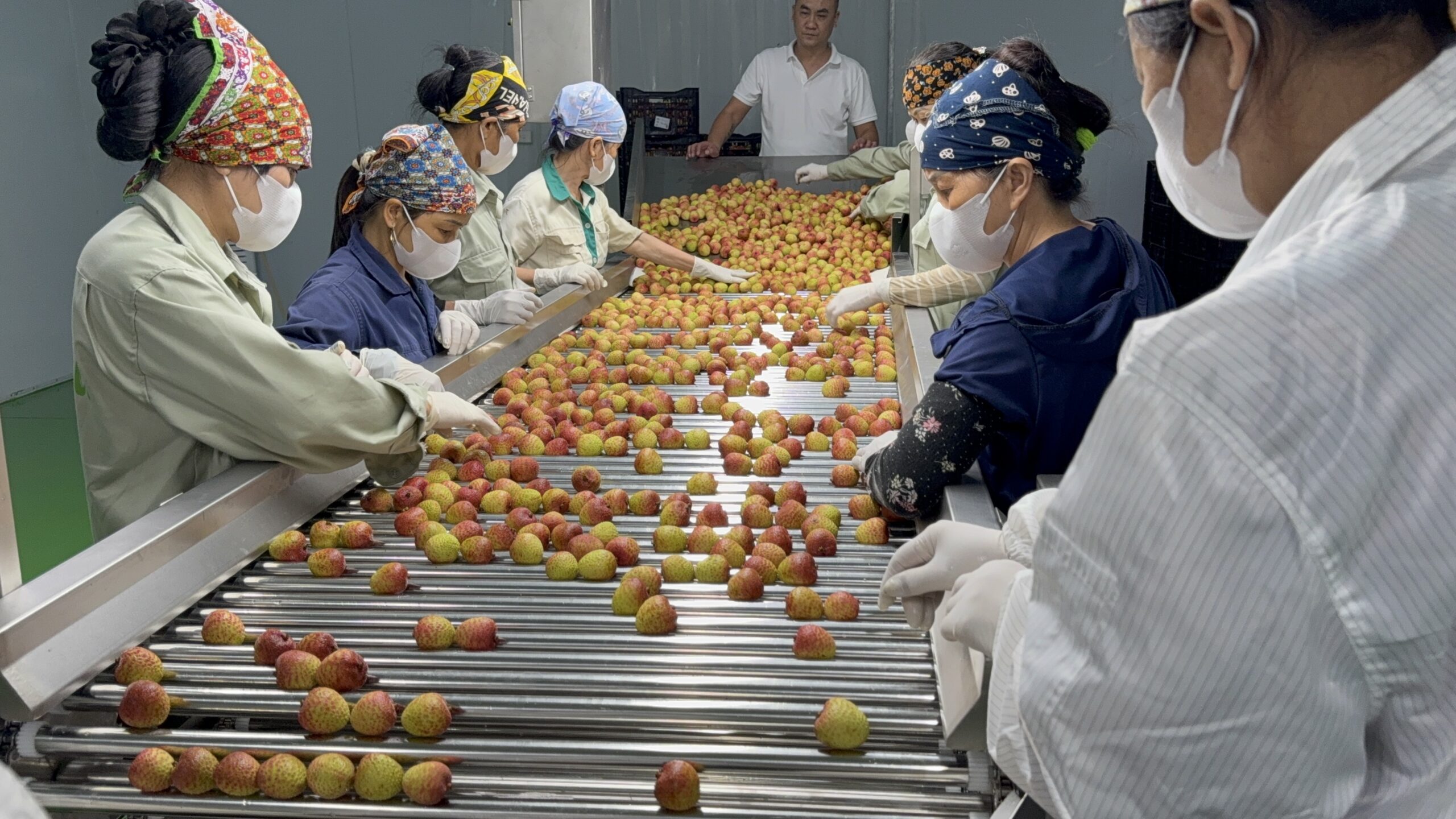
Vietnam is one of Asia’s most important lychee origins and remains a highly competitive sourcing destination for importers looking for both fresh lychee and frozen lychee. In 2025, Vietnam’s lychee crop was estimated at around 303,000 metric tons, up about 30% year on year, creating a larger exportable supply for international buyers and processors. The country has also expanded its export infrastructure, with 469 growing area codes covering more than 19,300 hectares and 55 packing facility codes approved for key markets such as China, Japan, the United States, Australia, and Thailand.
For importers, this matters for two reasons. First, Vietnam offers strong seasonal availability for fresh lychee exports during peak harvest. Second, the larger crop and improving post-harvest systems support the growth of frozen lychee supply, which helps buyers reduce seasonal risk and sell lychee-based products year-round. In 2025, Vietnam also recorded a major export jump: in the first half of 2025, lychee export value reached USD 45.4 million, up 92% compared with the same period of 2024.
Where does Vietnam’s lychee supply come from?
The core lychee supply in Vietnam comes from the northern provinces, especially Bac Giang and Hai Duong, which together account for the majority of the country’s commercial lychee volume. Official reports for the 2025 season projected Bac Giang at about 165,000 tons, Hai Duong at 60,000–65,000 tons, while Hung Yen, Lang Son, and Dak Lak also contributed meaningful volumes of roughly 21,000–22,000 tons each. Trade sources also note that Bac Giang, Hai Duong, and Hung Yen together account for more than 70% of national output.
Within these origins, some names are especially important for export buyers. Luc Ngan in Bac Giang is known for large-scale commercial production and export organization, while Thanh Ha in Hai Duong is widely recognized for premium-quality fruit and strong brand value. In 2025, Hai Duong had around 8,800 hectares of lychee, including 3,300 hectares in Thanh Ha, with expected output of about 65,000 tons, and Thanh Ha alone was expected to deliver about 38,000 tons.
Seasonality is another major sourcing advantage. Vietnam’s lychee season typically runs from late May through June, with some early crop zones entering harvest first and the main crop following shortly after. This concentrated but well-defined season allows importers to plan fresh campaigns, while processors can secure raw material for freezing, pulp, dessert, beverage, or foodservice use.
How are fresh and frozen export lychees produced and processed in Vietnam?
Vietnam’s export lychee industry has improved significantly through better farm management, traceability, and export compliance. In Bac Giang alone, 2025 data showed around 29,700 hectares of lychee, including approximately 8,000 hectares of early lychee, with over 240 export growing area codes already granted. The province also continued to develop certified production and export supervision systems for demanding markets.
Fresh lychee for export usually follows a structured chain: orchard management, harvest control, sorting, pre-cooling, packing, phytosanitary treatment, and shipment by air or sea depending on destination and customer requirements. Vietnam reported that for the 2025 crop, approved export support included irradiation and fumigation facilities, and Japan allowed Vietnam to supervise the treatment process for lychee shipments domestically from the 2025 season, reducing time and cost for exporters.
For premium fresh programs, compliance is critical. Vietnamese lychees entering the US retail market in 2025 were reported as being grown under GlobalGAP standards, treated to meet phytosanitary requirements, and shipped into major chains including Safeway and, for the first time, Costco, which operates 635 stores across the US and Canada. In France, the first 2025 lychee shipments from Hai Duong reached supermarket shelves in Paris just hours after customs clearance, showing that Vietnam is increasingly capable of serving high-standard fresh fruit channels.
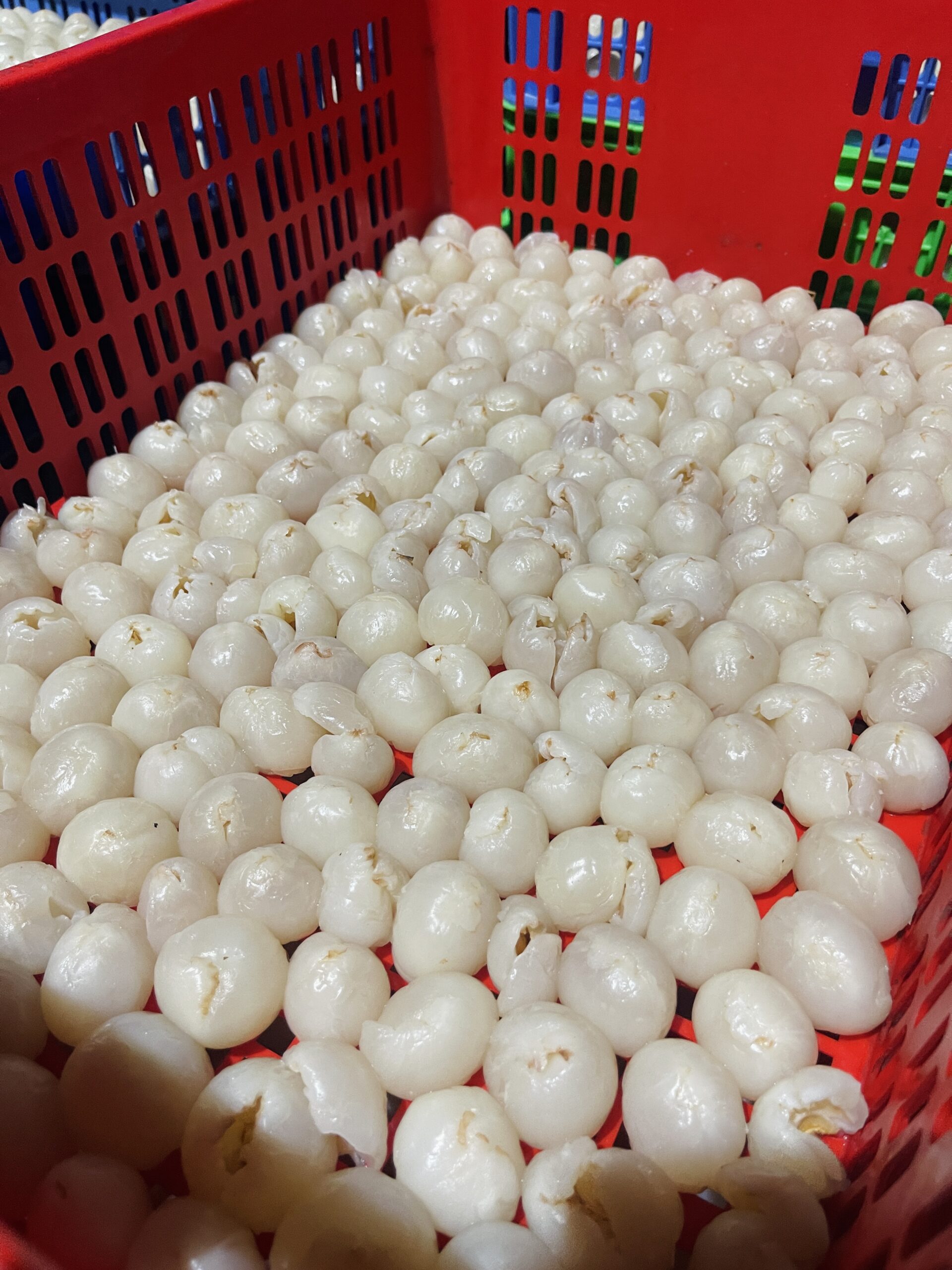
For frozen lychee, the sourcing logic is different but equally attractive. Frozen supply gives buyers more flexibility in inventory planning, reduces pressure from short harvest windows, and supports sales outside the fresh season. Vietnam’s agricultural authorities have reported new technologies capable of preserving lychee for up to 18 months in some applications, which reflects the broader trend toward longer shelf life and deeper processing. In Europe, market research from CBI notes that while food safety certification is not legally mandatory for every frozen tropical fruit transaction, it has effectively become a requirement for most serious importers and retailers.
How should buyers evaluate a Vietnamese lychee supplier?
A good Vietnamese lychee supplier should be assessed on more than price alone. The first checkpoint is origin control: buyers should ask which province, district, and registered growing areas the fruit comes from. The second is export eligibility: the supplier should clearly confirm whether the farm and packing house are approved for the target market. Vietnam’s 2025 export preparation, with its large number of coded growing areas and packing facilities, makes this easier to verify.
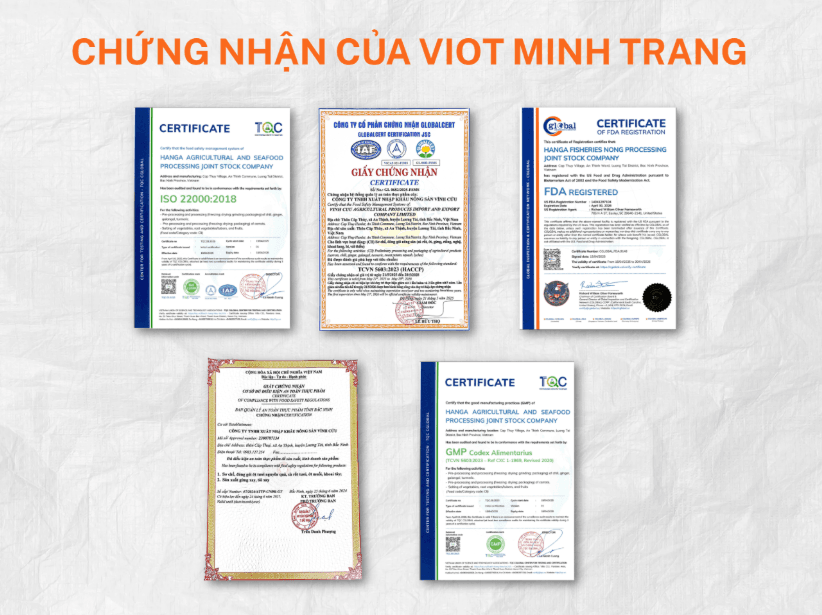
The third checkpoint is quality assurance. Buyers should ask for farm records, residue control procedures, packing standards, and pre-shipment quality checks. For high-standard markets, certifications such as VietGAP or GlobalGAP, along with laboratory testing and traceability records, are strong indicators of reliability. The fourth checkpoint is post-harvest capability: suppliers should be able to explain cold chain handling, treatment, loading speed, packaging options, and contingency planning during peak season. The fifth is commercial execution: clear quotations, transparent specifications, realistic lead times, and responsiveness during harvest are all signs of a supplier who can support long-term business.
What are the risks when buying lychee from Vietnam?
The biggest risk in fresh lychee buying is market-specific compliance, especially pesticide residue limits, phytosanitary treatment, and consistency of fruit quality. Different destinations apply different standards, so a supplier that is suitable for one market may not automatically be suitable for another. Another risk is the short natural shelf life of fresh lychee, which makes cold-chain discipline essential from orchard to arrival.
There is also market concentration risk. Vietnam exports lychee to more than 20 countries, but official reporting in 2025 still described China as the dominant market, accounting for about 90% of total exports. That means demand swings, border congestion, and price volatility can affect the market quickly during the peak season. Buyers who wait too long to secure supply may face stronger competition for the best fruit.
For many importers, frozen lychee is an effective way to reduce these risks. It is easier to stock, easier to plan for industrial use, and better suited to dessert, beverage, retail frozen fruit, and foodservice channels. As European market research suggests, processed or frozen formats can also help reduce food safety concerns and make exotic fruit more accessible to consumers outside the peak fresh window.
What is the market opportunity for Vietnamese lychee?
The market opportunity is strong in both traditional and premium destinations. Vietnam’s lychee export value rose sharply in 2025, and the fruit gained further visibility in developed retail channels. The presence of Vietnamese lychees in Costco, Safeway, and French supermarkets shows that the product is moving beyond ethnic and traditional trade channels into more mainstream distribution.
For buyers, this creates two clear opportunities. The first is a fresh seasonal program built around premium origin fruit from Bac Giang or Thanh Ha. The second is a frozen lychee program for year-round sales, ingredients, private label, or industrial processing. Vietnam’s larger crop, improving export compliance, and stronger recognition in overseas markets make it a practical sourcing origin for both strategies.
Who should buyers contact to purchase Vietnamese lychee?
If you are looking for a reliable partner to source fresh lychee from Vietnam or frozen lychee from Vietnam, work with a supplier that can connect growing regions, packing, traceability, export documentation, and shipment planning in one chain.
VIOT supports international buyers seeking Vietnamese agricultural products with clear specifications, sourcing transparency, and export-oriented coordination.
Looking for fresh or frozen Vietnamese lychee for your market?
Contact VIOT for:
- Seasonal crop updates and shipment planning
- Fresh and frozen lychee specifications
- Sourcing from key production areas in Vietnam
- Export documentation and quality support
- B2B cooperation for importers, distributors, and processors
Contact Information
VIOT Minh Trang Import Export JSC
Hotline / WhatsApp / Zalo: +84 977 728 269 – Email: viotvietnam.vn@gmail.com
#VietnamLychee #FreshLychee #FrozenLychee #LycheeSupplier #VietnamFruitExporter #LycheeFromVietnam #FrozenFruitSupplier #BacGiangLychee #ThanhHaLychee #VIOT




Tác giả Tưởng Mạnh Biên
Là chuyên gia giàu kinh nghiệm trong lĩnh vực xuất khẩu nông sản. Với nhiều năm làm việc, nghiên cứu và trực tiếp tham gia vào các hoạt động sản xuất, kinh doanh và xuất khẩu nông sản, tác giả chia sẻ những kiến thức chuyên môn sâu sắc cùng các bài học thực tiễn giá trị nhằm hỗ trợ doanh nghiệp.
- Địa chỉ: Số 27, Tổ 23, Lĩnh Nam, Hoàng Mai, Hà Nội
- Email: viotvietnam.vn@gmail.com
- SĐT: 0977 728 269