
In recent months, Vietnam has witnessed a significant increase in chili pepper prices, sparking interest among farmers, economic experts, and consumers alike. This article delves into the reasons behind this price hike and examines whether Vietnamese farmers are truly benefiting from it. We will analyze the current state of Vietnam’s chili pepper sector, the causes of the price surge, and its effects on farmers’ livelihoods.
Overview of Chili Production and Consumption in Vietnam
Chili peppers are an essential spice in Vietnamese cuisine and a key agricultural commodity with substantial export value. According to the Ministry of Agriculture and Rural Development, the total area under chili cultivation nationwide is approximately 20,000 hectares, with an average annual production of around 200,000 tons.
Over the past period, Vietnam has successfully exported chili peppers to demanding markets such as the United States, the EU, and Japan. However, chili production also faces considerable challenges, including the impacts of climate change, disease outbreaks, and insufficient investment capital.
Reasons for the Chili Price Increase
Climate Change
A primary factor contributing to the increased chili prices is the impact of climate change. Prolonged droughts and sudden heavy rainfall have reduced chili yields. Experts indicate that these weather variations have significantly affected both the productivity and quality of chili crops.
Market Supply and Demand
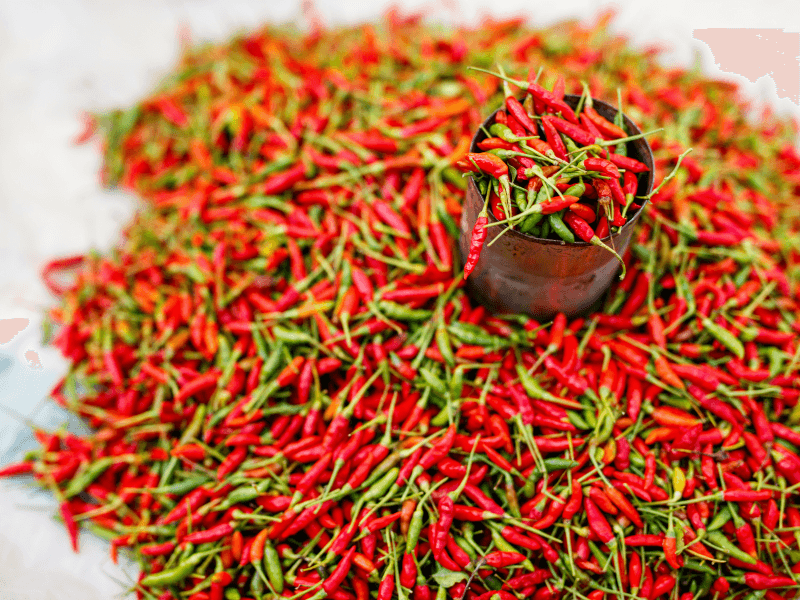
The surge in chili prices is also attributed to shifts in market supply and demand. Last year, farmers decreased the cultivated area for chili peppers due to low profitability. This reduction in supply, coupled with increased consumer demand, has led to a sharp rise in prices. Major markets like Ho Chi Minh City and Hanoi have recorded fresh chili prices increasing by 30% to 50% within just a few months.
Increased Input Costs
Furthermore, the rising costs of agricultural inputs, such as fertilizers, pesticides, and labor, have played a role. As the prices of these essential materials increase, farmers are compelled to adjust their selling prices to maintain profitability.
Impact on Farmers
Short-Term Benefits
The increase in chili prices offers immediate advantages for farmers, particularly those who had previously invested in crop cultivation. For instance, a chili farmer in Tay Ninh province shared: “Last year, I grew chili peppers, but the prices were very low. This year, I harvested and sold at better prices, which helps me cover my living expenses.”
Potential Challenges
Despite the potential for high short-term profits, farmers face underlying challenges. Price instability creates risks for them. If chili prices decline in the subsequent harvest season, many farmers could encounter financial difficulties.
Moreover, improving product quality to meet export standards poses a significant hurdle. Many farmers lack the necessary knowledge and technology to produce clean chili peppers that meet international requirements.
Immediate Benefits
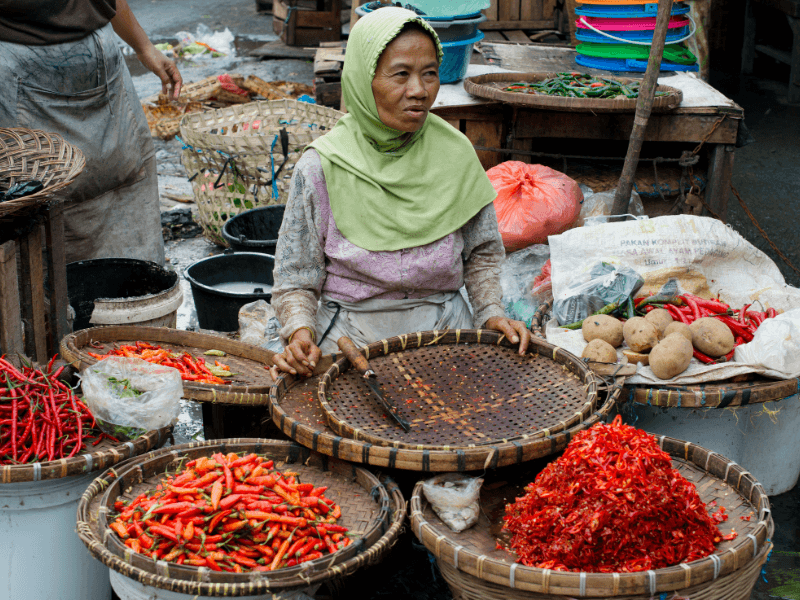
The increase in chili prices brings short-term benefits to farmers, especially those who invested in crop care in the preceding period. For example, a chili farmer in Tay Ninh province stated: “Last year I grew chili peppers, but the price was very low. This year, I have harvested and sold at a better price, which allows me to cover my living expenses.”
Potential Difficulties
While farmers may reap high profits in the short term, potential difficulties exist. The price volatility exposes farmers to risks. If chili prices fall during the next harvest season, many farmers could face hardship.
Additionally, improving product quality to meet export standards is a significant challenge. Many farmers lack sufficient knowledge and technology to produce clean chili peppers according to international standards
Sustainable Solutions
Ensuring Long-Term Benefits for Farmers for farmers to truly benefit from the increased chili prices, sustainable solutions are necessary. The government and relevant organizations need to provide market information, technical cultivation training, and financial support to farmers. Furthermore, strengthening the linkages between farmers and processing and exporting enterprises is crucial to ensure stable output for their products.
The increase in chili prices in Vietnam is a phenomenon driven by various factors such as climate change, supply and demand fluctuations, and rising input costs. While farmers may receive short-term benefits from this price surge, comprehensive solutions from management levels and support from relevant organizations are needed for sustainable development and to avoid future risks. Only then can farmers truly capitalize on the potential that chili peppers offer.